
Technical enquiries+91 99044 90003
Request a Quote
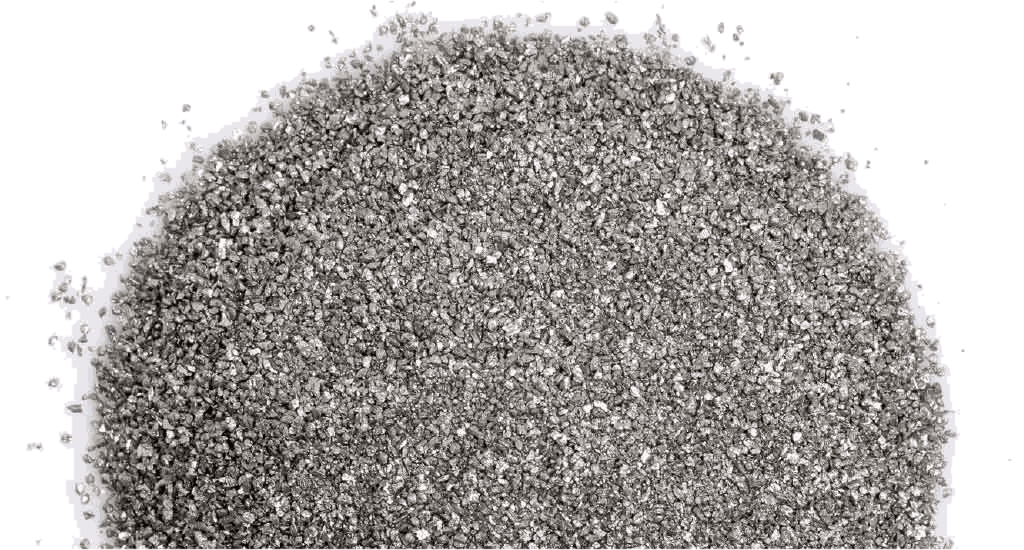
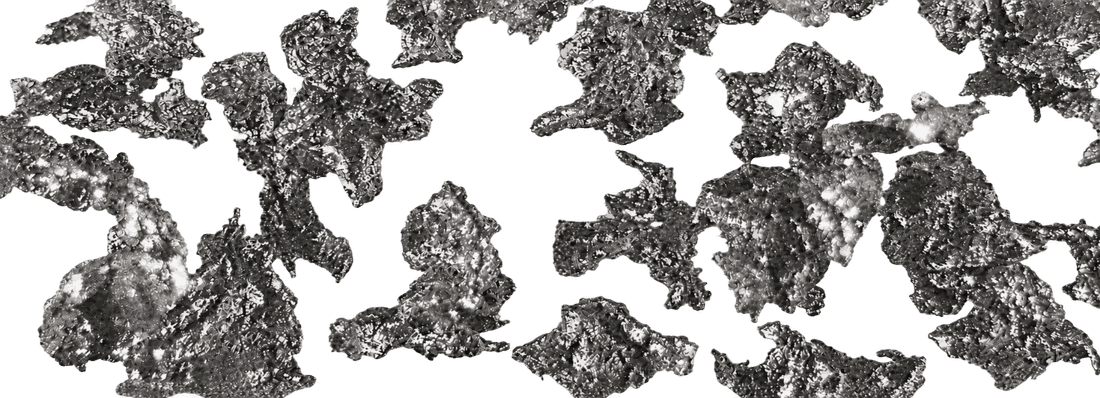
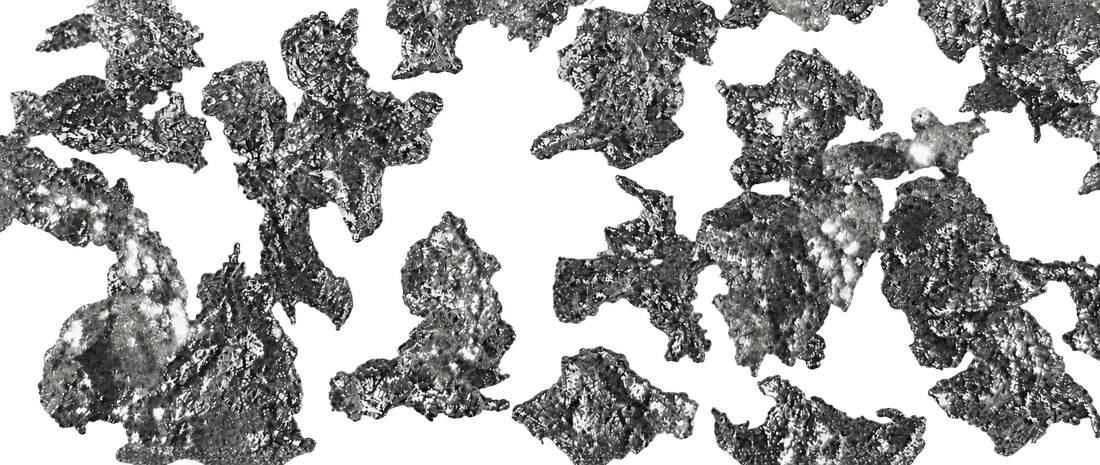
Irregular stainless steel filtration powder — graded metal sand engineered for synthetic fibre spin packs. Designed to support high dirt-holding capacity, stable pressure development and protection of spinneret capillaries.
Suitable for PET, rPET, PA6, PA66, polypropylene and other thermoplastic polymer processes.
The graded metal-sand bed progressively captures solids and gels while distributing melt evenly to the spinneret.
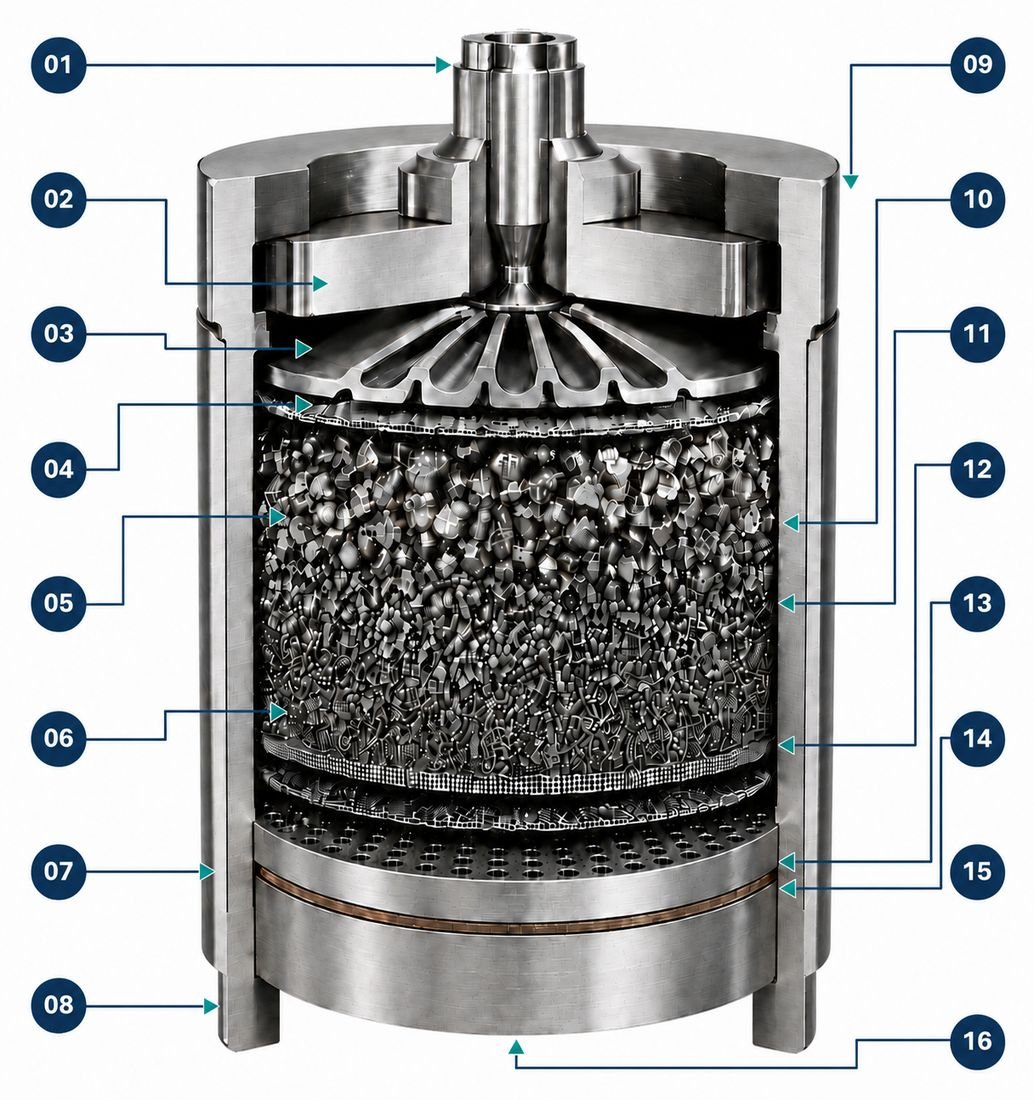
| No. | Component | Function |
|---|---|---|
| 1 | Polymer Melt Inlet | Receives metered polymer melt under pressure. |
| 2 | Pack Head / Top Cover | Closes the pack and applies axial compression to the internal stack. |
| 3 | Aluminium Crush Seal | Prevents high-pressure melt leakage at the upper pack interface. |
| 4 | Flow-Distribution Plate | Spreads the central inlet flow uniformly across the filter-bed area. |
| 5 | Upper Retaining Screen | Contains and stabilises the loose metal-powder bed. |
| 6 | Coarse Metal-Powder Layer | Provides first-stage depth filtration and high dirt-loading capacity. |
| 7 | Medium Metal-Powder Layer | Captures progressively smaller solids and deformable gels. |
| 8 | Fine Metal-Powder Layer | Provides final granular filtration and controlled melt shear. |
| 9 | Fine Retaining Screen | Prevents fine metal-powder migration into downstream hardware. |
| 10 | Coarse Support Screens | Support the fine screen against differential pressure. |
| 11 | Breaker / Support Plate | Carries the packed bed and redistributes melt before the spinneret. |
| 12 | Spinneret Gasket | Seals the breaker-plate-to-spinneret interface. |
| 13 | Spinneret Plate | Divides the melt into uniform vertical capillary streams. |
| 14 | Spinneret Holder / Clamp | Retains the lower assembly and maintains axial seating. |
| 15 | Pack Body / Pressure Housing | Contains the complete pressurised filter stack. |
| 16 | Extruded Filaments | Uniform filaments exit the spinneret. |
Melt flows through the bed coarse → medium → fine — the graded arrangement delays blockage and progressively increases filtration resistance. Retaining mesh is required above and below the loose sand, with supporting screens and a breaker plate beneath. Two or three powder grades are commonly used; particle sizes, quantities and bed depths must be selected for the polymer, viscosity, melt cleanliness, temperature and throughput. This is a representative configuration — individual Barmag, Neumag, TMT and other OEM packs may combine or reposition some screens and distribution plates.
Final approval requires a process review and confirmation against the current product specification and batch certificate of analysis.
| Grade | Positioning | Typical Application Guidance |
|---|---|---|
| F-01 | Economical Media | Cost-led PET POY / FDY applications where the approved spec meets the process duty. |
| S-03 | Standard Media | Higher mechanical strength and lower oxidation sensitivity for more demanding PET filtration duties. |
| S-04 | Higher Chromium Media | Higher initial-pressure and compaction-resistance duties, including validated PA filament applications. |
| Grade | Fe | Ni | Cr | Mn | Si | Mo | C |
|---|---|---|---|---|---|---|---|
| F-01 | Balance | Max 0.6 | 16–18 | Max 1.0 | 1.0–4.0 | — | Max 0.12 |
| S-03 | Balance | 6–12 | 16–22 | Max 1.0 | 0.6–3.5 | Max 3.0 | Max 0.12 |
| S-04 | Balance | Max 0.6 | 33–37 | Max 1.0 | 2–4 | — | Max 0.12 |
Determined by dry sieving in accordance with ISO 4497:2020. Apparent density, tap density and porosity values are indicative supplier data.
| Particle Size Range (micron) | Nominal Mesh | Apparent Density (g/cm³) | Tap Density (g/cm³) | Indicative Porosity (%) |
|---|---|---|---|---|
| 850–2000 | 10 / 20 | 1.45 | 1.95 | 75 |
| 500–850 | 20 / 30 | 1.55 | 2.10 | 73 |
| 350–500 | 30 / 40 | 1.60 | 2.10 | 71 |
| 250–350 | 40 / 60 | 1.65 | 2.60 | 67 |
| 180–250 | 60 / 80 | 1.80 | 2.70 | 65 |
| 125–180 | 80 / 120 | 2.10 | 3.00 | 60 |
| 90–125 | 120 / 170 | 2.30 | 3.10 | 58 |
| 45–90 | 170 / 325 | 2.40 | 3.20 | 56 |
High-velocity water jets disintegrate a controlled molten-metal stream; the droplets cool, solidify, dry and are classified into defined size fractions.
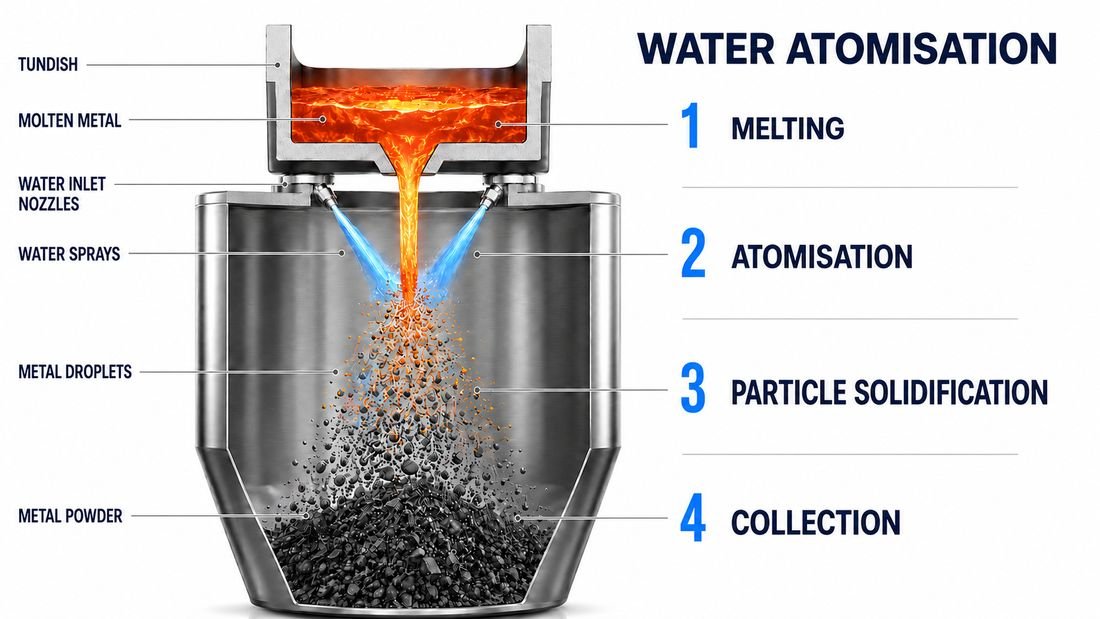
A controlled molten-metal stream leaves the tundish.
High-velocity water jets divide the stream into droplets.
Rapid heat extraction solidifies the droplets during descent.
Powder is collected, dried, sieved and graded to specification.
A correctly engineered coarse-to-medium-to-fine bed removes gels and contaminants, protects spinneret capillaries and supports uniform melt distribution.
Improved linear-density uniformity; lower Decitex/Denier variation and Uster CV%.
More consistent tenacity, elongation, orientation, shrinkage and dye uptake.
Fewer gels, slubs, broken filaments, spin breaks, fuzz, loops and downstream defects.
More stable pack pressure and extended operating life.
Average linear density and tensile properties remain primarily controlled by polymer quality, pump delivery, temperature, quenching, spinning speed and draw ratio. Insufficient filtration allows contaminants and spinneret blockage; excessive filtration resistance can cause high pressure, melt heating, polymer degradation and reduced pack life.
Established manufacturing capability in China since 2007 is supported by application expertise and commercial coordination in India. This stainless steel metal sand is accepted by major polymer spinners in China and international markets, with Futai's wider filtration portfolio exported to more than 40 countries.
Selected approved grades and particle-size ranges stocked locally against agreed customer forecasts.
Shortest practical delivery time; reduced exposure to freight and customs-clearance delays.
Provide complete process, spin-pack and operating data so our technical team can propose a controlled trial specification.
 Call Us
 WhatsApp
 Enquiry